 Russel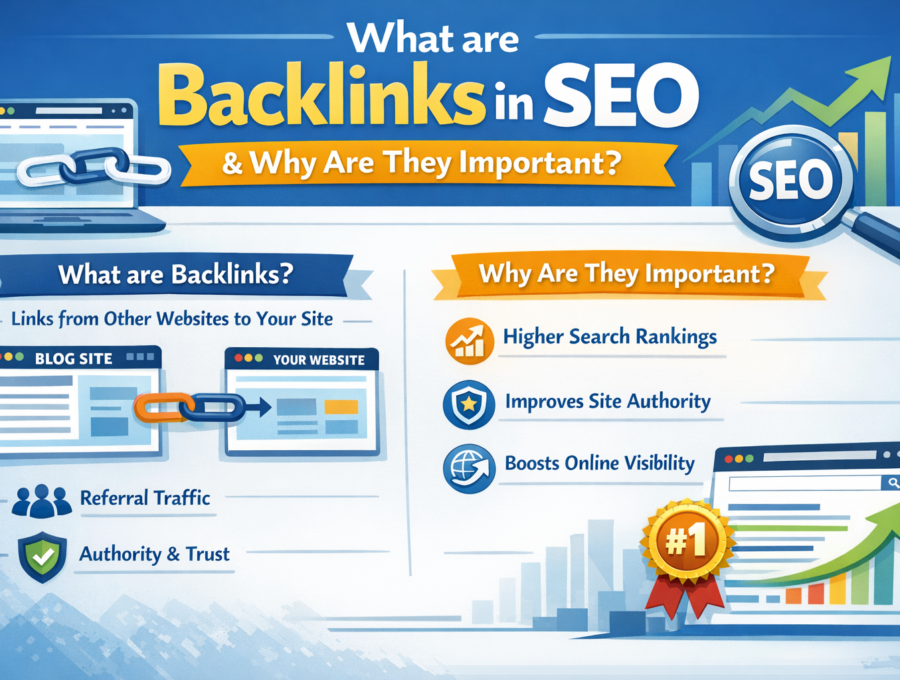
If you’ve ever asked yourself what are backlinks in SEO — you’re not alone. Backlinks remain one of the most powerful ranking signals in Google’s algorithm, yet they’re also one of the most misunderstood. But what exactly are they, and how do you build them effectively?
In this guide, we’ll break down everything you need to know: what are backlinks in SEO, why they matter for your rankings, the types you should be earning, and practical strategies for building a strong backlink profile for your website.
What Are Backlinks?
So, what are backlinks in SEO, exactly? A backlink (also called an inbound link or incoming link) is simply a hyperlink from one website that points to a page on another website. Think of it as a digital vote of confidence — when Site A links to Site B, it’s essentially telling search engines: “this content is worth referencing.”
According to Google’s own documentation on how Search works, links are one of the most important factors Google uses to determine a page’s relevance and authority in search results.
There are two primary categories of backlinks to understand:
Internal Backlinks connect pages within the same website. For example, linking from a blog post to the Data2Stats homepage helps both users and search engines navigate your site more efficiently. These distribute what’s known as link equity across your domain.External Backlinks are links from a completely different domain pointing to your site. These are the most valuable type for SEO because they signal to search engines that an independent, third-party source finds your content credible and worth referencing.
Why Are Backlinks Important for SEO?
1. They Directly Influence Search Rankings
Backlinks have been a core ranking factor since Google’s founding. A landmark study by Backlinko analysing over one billion web pages found a strong correlation between the number of referring domains a page has and its position in Google’s search results. Pages with more high-quality backlinks consistently outrank those without.
When authoritative sites link to your content, Google interprets those links as endorsements — and rewards your pages with higher rankings on SERPs.
2. They Drive Referral Traffic
Backlinks aren’t just about rankings. A well-placed link on a high-traffic website can send a consistent stream of referral visitors directly to your site. Unlike paid traffic, referral traffic comes pre-qualified — people who clicked a relevant link are already interested in what you offer.
At Data2Stats, we take a data-driven approach to digital growth — and referral traffic from well-placed backlinks is one of the most cost-efficient channels you can build over time.
3. They Build Domain Authority
Domain Authority (DA) is a metric developed by Moz to predict how well a website will rank in search results. High-quality backlinks from reputable, niche-relevant sites are one of the fastest ways to grow your DA over time. According to Moz’s research on link building, a site’s link profile is one of the most influential factors in its overall SEO performance.
As your domain authority increases, ranking for competitive, high-value keywords becomes significantly easier.
4. They Establish Credibility and Brand Visibility
When respected industry publications, news sites, or thought-leader blogs link to your content, it builds your brand’s reputation beyond just SEO. Audiences trust sources that trusted sites recommend. Over time, a strong backlink profile positions your brand as an authoritative voice in your niche.
Types of Backlinks You Should Know
Not all backlinks are equal. Understanding the differences helps you build a healthier, more diverse link profile.
DoFollow Links pass link equity (commonly called “link juice”) from the referring domain to your site. These directly contribute to your rankings and are the most sought-after type of backlink.
NoFollow Links include a rel=”nofollow” HTML attribute, instructing search engines not to pass link equity. While they don’t directly boost rankings, they still drive referral traffic and contribute to a natural, diverse link profile.
Natural/Editorial Links are earned organically when another site links to your content because they genuinely found it valuable — no outreach required. These are the gold standard of backlinks.
Manually Built Links are acquired through deliberate strategies like outreach campaigns, guest posting, and digital PR. While they require effort, they can be highly targeted and strategically placed for maximum impact.
Self-Created Links are added by you in places like forum signatures, blog comment sections, or directory listings. These are generally the lowest-quality type and can trigger spam signals if overused.
A healthy backlink profile includes a natural mix of all these types, weighted heavily toward editorial and manually built links from relevant, authoritative domains.
How to Build Quality Backlinks: Proven Strategies
Create Link-Worthy Content
The most sustainable backlink strategy starts with creating content that genuinely deserves to be referenced. This includes in-depth guides, original research, data visualisations, infographics, and tools that solve real problems for your audience.
At Data2Stats, we build content around this same principle — producing data-backed, analytical insights that naturally attract references and links from other industry websites.
Guest Blogging and Digital PR
Writing high-quality articles for reputable websites in your industry is one of the most reliable ways to earn strong, contextual backlinks. Identify authoritative blogs and publications relevant to your niche, pitch original content ideas, and ensure your guest posts provide genuine value — not just a vehicle for a link.
Digital PR takes this further by generating newsworthy stories, studies, or data reports that journalists and bloggers want to reference. A single well-executed PR campaign can earn dozens of high-authority links simultaneously.
Build Relationships, Not Just Links
SEO is fundamentally about trust — and trust is built through relationships. Connecting with other professionals in your industry through events, webinars, LinkedIn, and collaborative projects creates organic link opportunities that no outreach template can manufacture.
Leverage Online Directories and Listings
Submitting your business to credible industry directories, local business listings, and niche-specific platforms can build a solid foundation of reference links. This is particularly important for local SEO — ensuring your Name, Address, and Phone (NAP) data is consistent across all listings. Get in touch with us if you need help auditing your local digital presence.
According to a BrightLocal Local SEO study, businesses with consistent and comprehensive directory listings rank significantly higher in local search results.
Broken Link Building
This technique involves finding broken (404) links on authoritative sites and reaching out to suggest your content as a replacement. Tools like Ahrefs or Semrush make it easy to identify these opportunities at scale — a win-win for both parties.
Analyse and Replicate Competitor Backlinks
Using tools like Ahrefs or Semrush, you can analyse where your competitors are earning their best backlinks and reverse-engineer their strategies. If a site linked to a competitor’s content on a given topic, they may well link to yours — especially if yours is more comprehensive or up to date.

Common Backlink Mistakes to Avoid
Buying Backlinks — Purchasing links from private blog networks (PBNs) or link farms is a direct violation of Google’s Webmaster Guidelines and can result in a manual penalty that decimates your rankings overnight.
Over-Optimising Anchor Text — If the majority of your inbound links use the exact same keyword-rich anchor text, it signals manipulation to Google. Keep your anchor text diverse: branded, generic, and keyword-specific anchors should all appear naturally in your profile.
Accepting Links from Irrelevant or Spammy Sites — A backlink from a site in a completely unrelated niche or with a poor spam score does more harm than good. Quality and relevance always outweigh volume.Ignoring Your Existing Link Profile — Use Google Search Console or a tool like Ahrefs to regularly audit your profile and disavow any toxic links that may have been built without your knowledge.
Backlink Strategy Checklist
- Target only relevant, authoritative domains in your niche
- Diversify your link sources: guest posts, directories, PR, editorial
- Keep anchor text natural and varied
- Monitor your backlink profile monthly using Google Search Console or Ahrefs
- Disavow toxic or spammy links via Google’s Disavow Tool
- Avoid black-hat tactics: no buying links, no PBNs, no link schemes
- Create genuinely valuable content that earns links organically